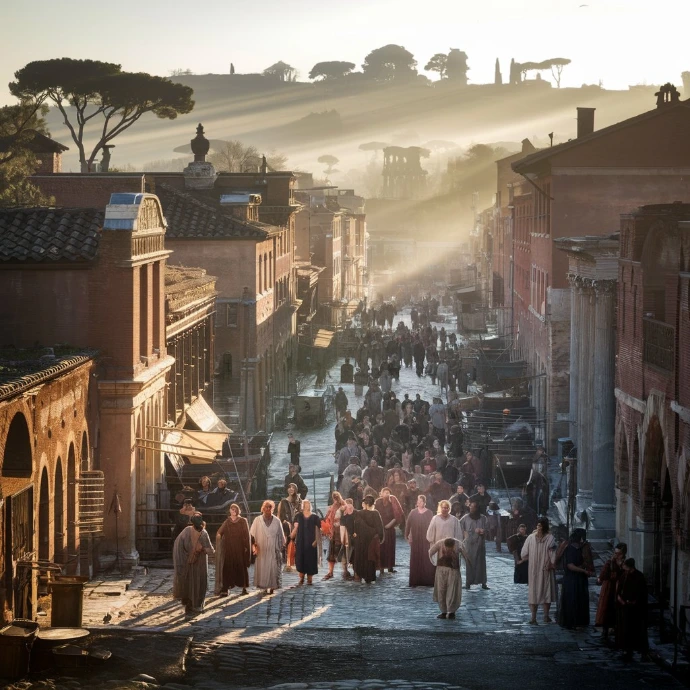
Morning light spilled over the hills outside Rome, casting long shadows across the crowded streets where merchants shouted, slaves hurried, and citizens jostled in narrow lanes. In the midst of this bustling world, the apostle Paul’s words to the Romans emerge almost like a gentle whisper: “I beseech you therefore, brethren, by the mercies of God, that you present your bodies a living sacrifice, holy, acceptable to God, which is your reasonable service” (Romans 12:1, NKJV).
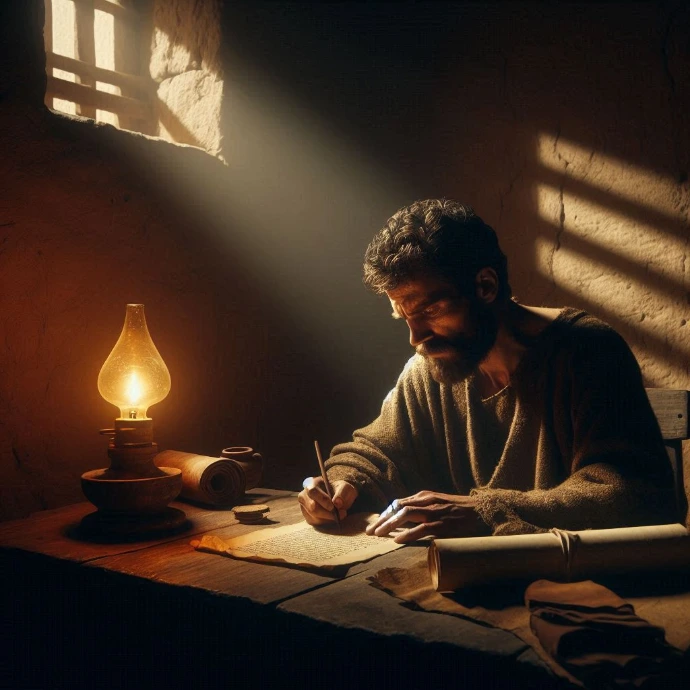
Imagine a city alive with the clang of metal, the smell of burning oil lamps, and the constant rhythm of life under the watchful gaze of Caesar’s legions. In such a world, Paul’s call wasn’t abstract—it was radical. He asked ordinary people, juggling trades, debts, and family obligations, to surrender their very lives in service that mirrored heaven on earth. To be a “living sacrifice” meant daily choices: in attitude, in action, in how one treated the neighbor, the stranger, the friend, and even the enemy.
Walking through the streets today, one can almost hear the echoes of those early believers learning to live in harmony despite the chaos around them. Paul continues: “Let love be without hypocrisy. Abhor what is evil. Cling to what is good” (Romans 12:9, NKJV). Even in our modern context, this is no passive suggestion—it is a guide for courage in relationships, integrity in business, and authenticity in faith. Love becomes a compass, steering choices and conversations, allowing compassion to shape society from the inside out.
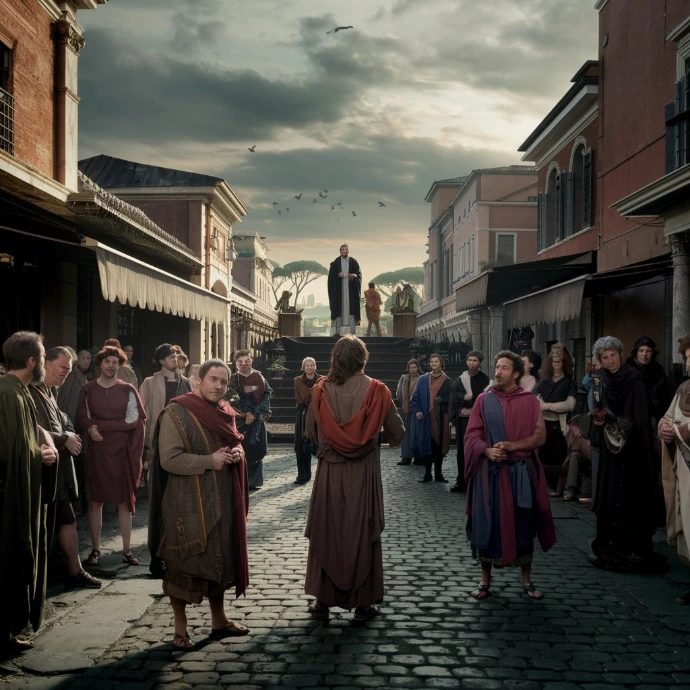
The Roman assemblies, the homes, the marketplaces—they all become classrooms for practicing humility: “Be kindly affectionate to one another with brotherly love, in honor giving preference to one another” (Romans 12:10, NKJV). Here, faith is not theoretical; it manifests in gestures as small as sharing bread with a neighbor, as deliberate as defending the vulnerable, and as daring as forgiving when wronged. Transformation is woven through every ordinary act, making every corner of life a stage for grace.
Even the calls to perseverance, patience, and joy amidst trials resonate as if whispered from the past into the present: “Rejoicing in hope, patient in tribulation, continuing steadfastly in prayer” (Romans 12:12, NKJV). The ancient city streets and our contemporary lives are not so different—they are arenas for learning to let God’s mercy guide the rhythm of every heartbeat.