Dust rose from the sandals of merchants weaving through the narrow corridors of ancient marketplaces, their voices blending with the clatter of pottery and the distant chant of priests at temple gates. Rome governed the world with iron discipline, but inside the human heart, another empire was crumbling. Paul, writing to believers scattered across this empire, described a conflict far more personal than battles fought on marble steps or in senate chambers. Romans 7 unveils that inner battleground — the collision between what we know is right and the impulses that pull us in the opposite direction. He speaks with disarming honesty: a man capable of great conviction, yet aware of a war raging beneath his ribs.
Imagine households lit by flickering oil lamps, families gathering after long workdays, reading Paul’s words aloud. They knew the weight of this struggle. The Jewish believers cherished the Law like a trusted compass passed down through generations; it defined their identity in a world that had tried to crush it. Yet even they admitted that the Law, holy as it was, could diagnose sin but not cure it.
Meanwhile, the Gentile believers came from a world defined by appetite and ambition. They, too, discovered that willpower alone couldn’t anchor them. In this tension — the desire to do good and the inexplicable drift toward failure — Paul’s confession felt shockingly familiar. “For what I will to do, that I do not practice; but what I hate, that I do.” (Romans 7:15 NKJV) His transparency tore through every social layer and landed exactly where it still lands today: the fragile center of the human soul.
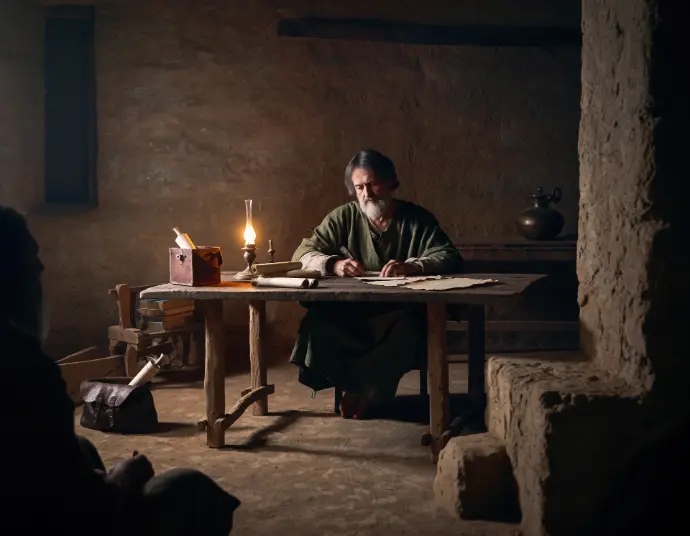
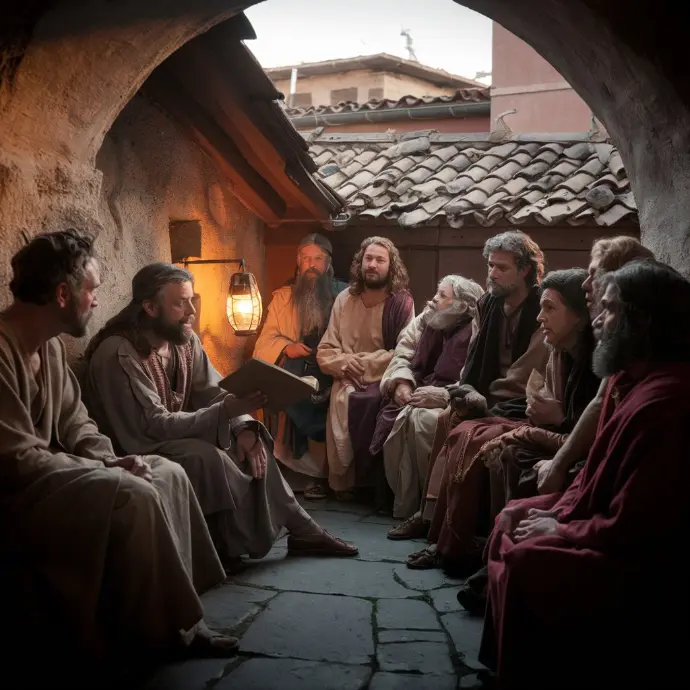

Paul’s message doesn’t glorify defeat; it exposes reality so grace can be understood rightly. He reveals that sin isn’t simply wrong choices — it’s a foreign invader embedded deeply in human nature. The Law shines a light on this intruder, but light alone doesn’t break chains. Paul’s lament crescendos into a cry recognizable across cultures and centuries: “O wretched man that I am! Who will deliver me from this body of death?” (Romans 7:24 NKJV). In the world he lived — a world where citizens boasted of strength, discipline, and honor — such a confession broke the rules. Yet it opened the door to the most liberating truth: deliverance doesn’t come from self-mastery but from a Savior stronger than the war inside us.